I visited Hiroshima in 2023. It was my first time there, but the weight of the city precedes any arrival.
What struck me most was not simply the history, but the presentation. The reality of what happened is dark and overwhelming. Yet the city conveys it with a spirit of quiet reflection. There is no spectacle. There is no apparent bitterness. Achieving that balance is incredibly difficult, and it is the thing I remember most clearly.
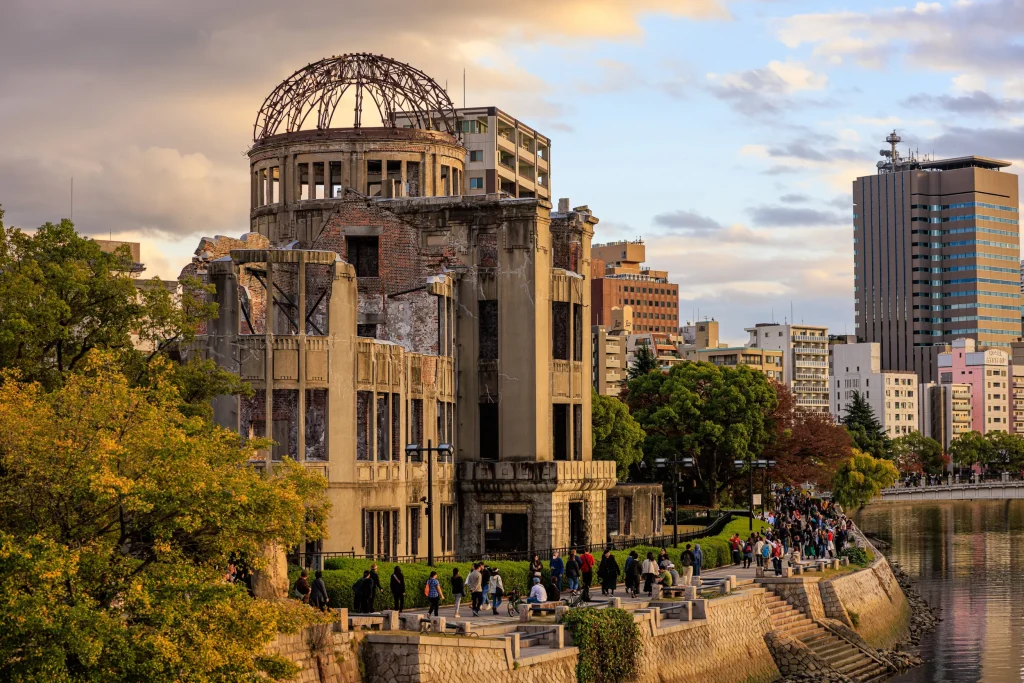
At the center of it all is the Hiroshima Peace Memorial, the Genbaku Dome.
Built in 1915, it was originally a brick-and-stone exhibition hall near the Aioi Bridge. At 8:15 a.m. on August 6, 1945, the first atomic bomb used in war detonated roughly 600 meters almost directly above it. Because the force of the blast drove straight down, the skeletal core of the building remained standing while the rest of the city was vaporized. Everyone inside died instantly.
Today, the ruin is intentionally unchanged. The exposed steel dome and fractured walls have been stabilized, but never restored.
Standing in front of it forces you to confront a deeply difficult reality. The dome is not just a memorial to the estimated 140,000 people who died by the end of that year. It is a physical monument to the most terrifying threshold humanity has ever crossed. Splitting the atom unlocked a fundamental power that can light the world or entirely destroy it. Hiroshima forces us to look squarely at the darkest consequence of that scientific mastery. It is an uncomfortable, unresolved tension that we all still live with today.
In the years following the war, there was a bitter debate over whether to tear the dome down. It was simply too painful for many to look at. But in 1966, the city resolved to preserve it permanently.
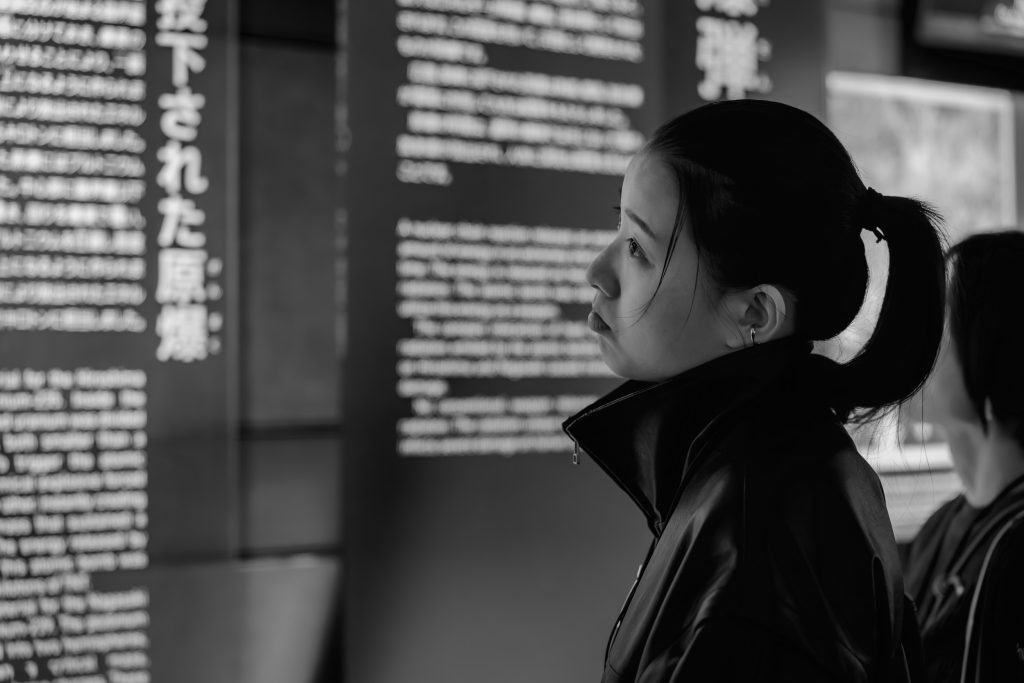
The surrounding Peace Memorial Park is designed with a profound sense of restraint. It does not overwhelm you. It creates space for movement and quiet observation. Nearby, inside the National Peace Memorial Hall, visitors move slowly. Names are recorded, faces are displayed, and testimonies are preserved.
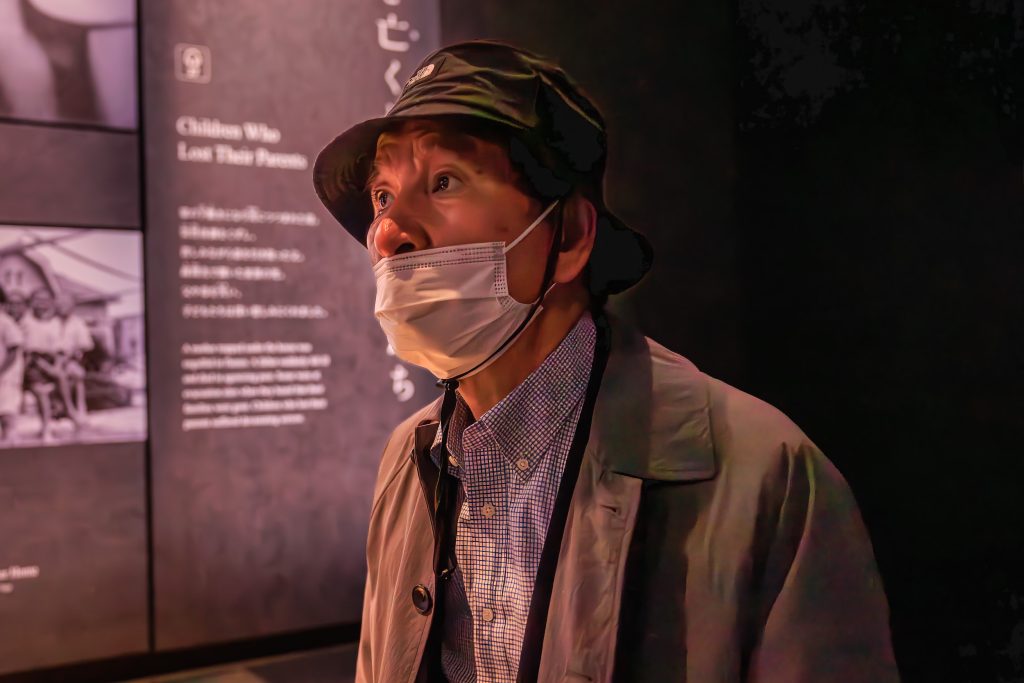
Watching the people around me—both locals and travelers—was as moving as the exhibits themselves. There was a shared, attentive gravity. The tone was one of absolute remembrance, directed toward peace rather than anger.
Hiroshima today is a thriving, modern city of over a million people. Life has returned in every visible sense.
The city is unavoidably defined by a single morning in 1945. But what I took away was something far more nuanced: the way a place can carry the heaviest of memories without being entirely consumed by tragedy. Hiroshima remembers the terrible cost of the nuclear age, but it uses that memory to ask for restraint, rather than revenge.