I visited Tokyo in 2023 for the first time. What I noticed immediately was how courteous people were. Interactions were quiet, respectful, and efficient, even in crowded places. It is not something easily quantified, but it shapes the experience in a way that becomes apparent very quickly.
Tokyo is one of the largest metropolitan areas in the world, with a population of roughly 37 million people. That scale makes what follows all the more striking.
Japan is also one of the cleanest places I’ve visited. Streets, trains, and public spaces are maintained to a standard that is difficult to describe without seeing it firsthand. There are relatively few public trash cans, yet there is little visible litter. The system depends as much on individual behavior as on infrastructure.
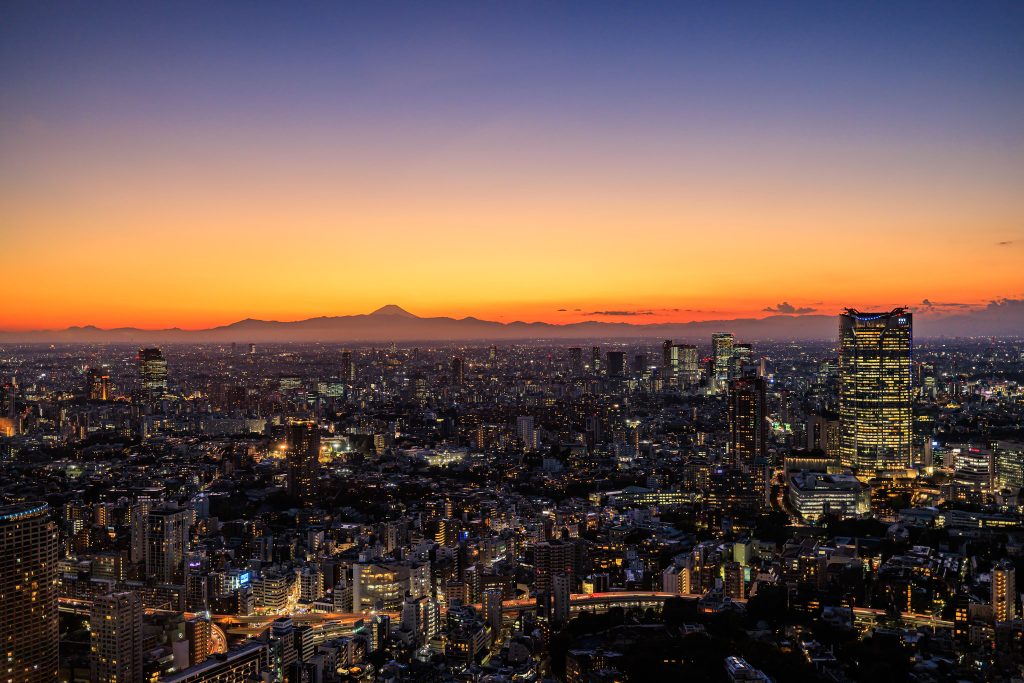
From the observation deck of Tokyo Tower, I was able to see Mount Fuji in the distance. It is a familiar image, but seeing it from within the city changes its meaning. It sits far away, almost detached, yet clearly present.
At ground level, Tokyo feels different. The scale of the city is difficult to grasp, but certain places concentrate that energy. The crossing at Shibuya Crossing is one of them. When the lights change, people move in all directions at once. It looks chaotic, but it is not. The movement is coordinated, almost choreographed, and it resolves itself quickly.
I made a short time-lapse video at Shibuya Station. Watching it afterward, what stands out is not the density of people, but the order within it. Even at its busiest, the system holds.
Tokyo is often described in extremes—overwhelming, crowded, futuristic. All of that is true in parts. But what stayed with me was something quieter: a balance between motion and control, and a level of consideration in daily life that is easy to overlook but difficult to forget.