Albi sits quietly in the Tarn, a small city of about fifty thousand people built along the river that shares its name. It’s only an hour from Toulouse, yet it feels more distant, as though it existed slightly apart from the rest of the world. I went without strong expectations and found a place that was coherent, beautiful, and welcoming.
What first struck me was the brick. In Albi, brick is not an architectural choice or a revival style — it is simply what they had. There was no local stone to speak of, so they used the clay from the riverbanks, fired it in kilns, and built an entire city from it. The result is a palette that changes with the light: pale peach in the morning, rose at noon, deep orange as the sun begins to fall. Every surface seems to absorb sunlight. Even the shadows are warm.
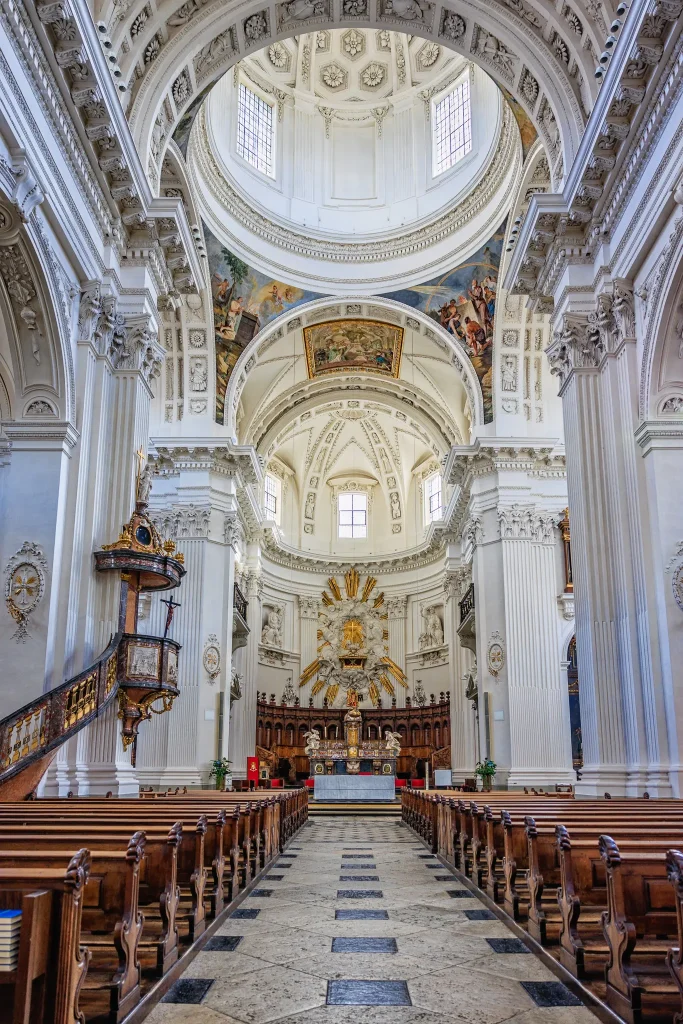
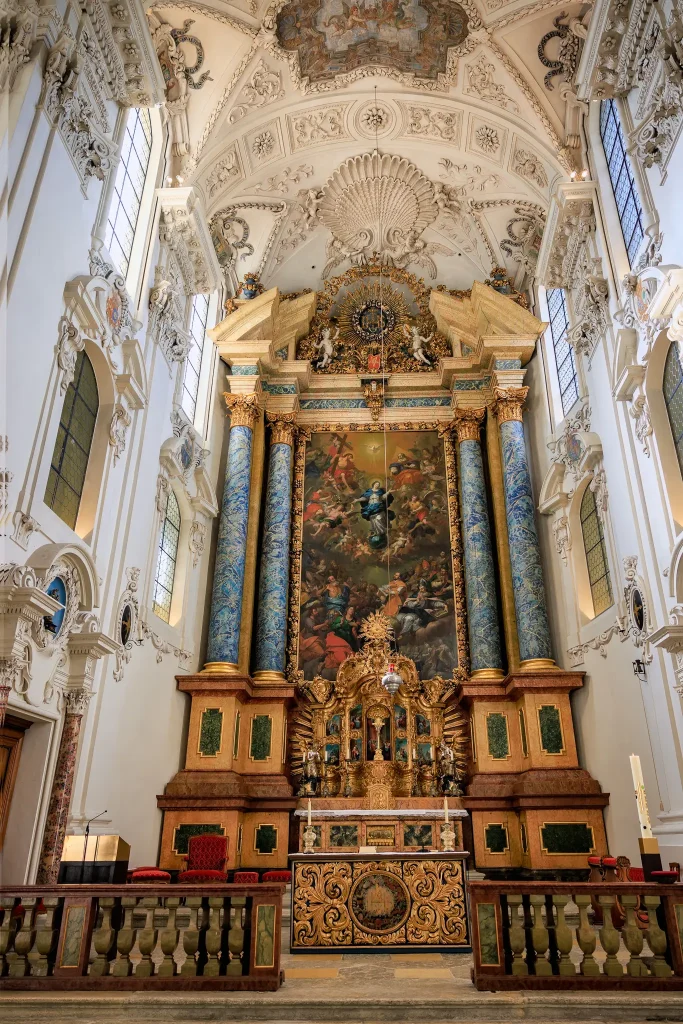
The cathedral of Sainte-Cécile rises from this landscape with a kind of massive grace. Often described as the largest brick building in the world, it has the presence of a stronghold rather than an ordinary church. The forms are heavy, cylindrical, almost defensive. It is genuinely difficult to describe the size of it. The building is enormous — far larger than photographs suggest — and from the ground it is hard to take in at once. You find yourself looking up, craning your neck, searching for a vantage point that will allow the whole structure to make sense. It was built in the aftermath of the Albigensian Crusade, when power needed to be proclaimed in masonry. To see it from the outside, one expects austerity. Yet the interior is surprisingly ornate — painted, gilded, and filled with color. The contrast is striking: a fortress with a jewel box within.
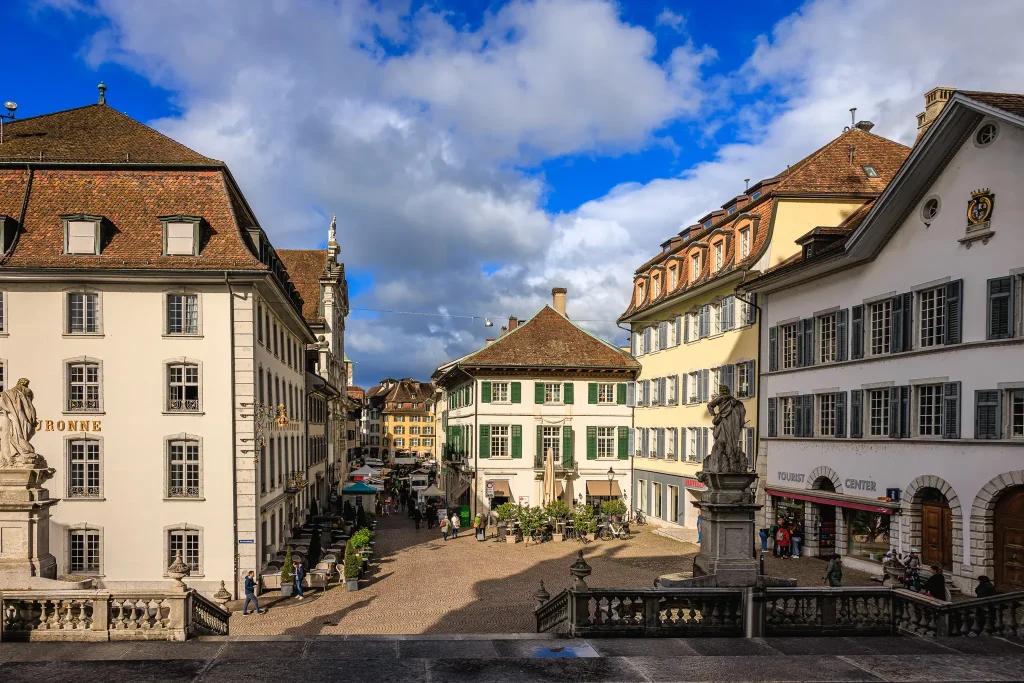
Albi rewards walking without urgency. The old town is intimate and charming, with narrow lanes, timbered facades, and small shops and cafés. At the center is the Marché Couvert, a covered market that feels lively without being loud. I had lunch there: grilled beef, a lovely salad, and a glass of wine. It was simple, fresh, and satisfying. The total was fifteen euros — the kind of meal that makes you feel momentarily lucky to be where you are. Travel days do not need to be grand to be memorable.
The Tarn River gives the city its orientation. The view from the Pont Vieux, the Old Bridge, is especially beautiful. From there, the cathedral rises above the water, reflected in slow green currents, and the town ascends the bank in orderly layers of red brick and tile. It is one of those perspectives that feels complete, as though the elements had always been arranged exactly this way. I could have stayed there for an hour, watching light move across the surface of the water.
Next to the cathedral stands the former episcopal palace, now home to the Toulouse-Lautrec Museum. I knew the posters — the dancers, the Parisian nights — but I did not expect the quieter works: tender drawings, portraits, early studies. Seeing them here, in the town where he was born, gives them a certain intimacy. The rooms are large, the walls thick, and the art seems to inhabit the space naturally. Nothing is strained. The museum feels like part of the city rather than an addition to it.
What most impressed me about Albi was its coherence. The materials speak to one another; the river and the architecture are in dialogue; the scale is human. The tourist office, surprisingly large and beautifully designed, fits the same pattern — practical, confident, and unpretentious. The city does not strain to impress you. It does not perform. It simply exists as itself, and that is enough.
I spent only a day in Albi, but the city stayed with me: the warmth of the brick, the shadowed interior of the cathedral, the quiet lunch in the market, the reflection of towers in the river. I had gone thinking it would be a pleasant excursion from Toulouse. I left thinking I could return quite easily, and perhaps stay longer. Some places whisper rather than shout, and linger in memory because of it. Albi is one of them.