Rotorua is different from other places in New Zealand. The difference is not subtle.
It has one of the largest and most visible Māori populations in the country. Over 40% of Rotorua’s residents are Māori—well above the national average—and the region sits within the traditional rohe of Te Arawa iwi. That presence is not confined to cultural sites or performances. It is part of everyday life.
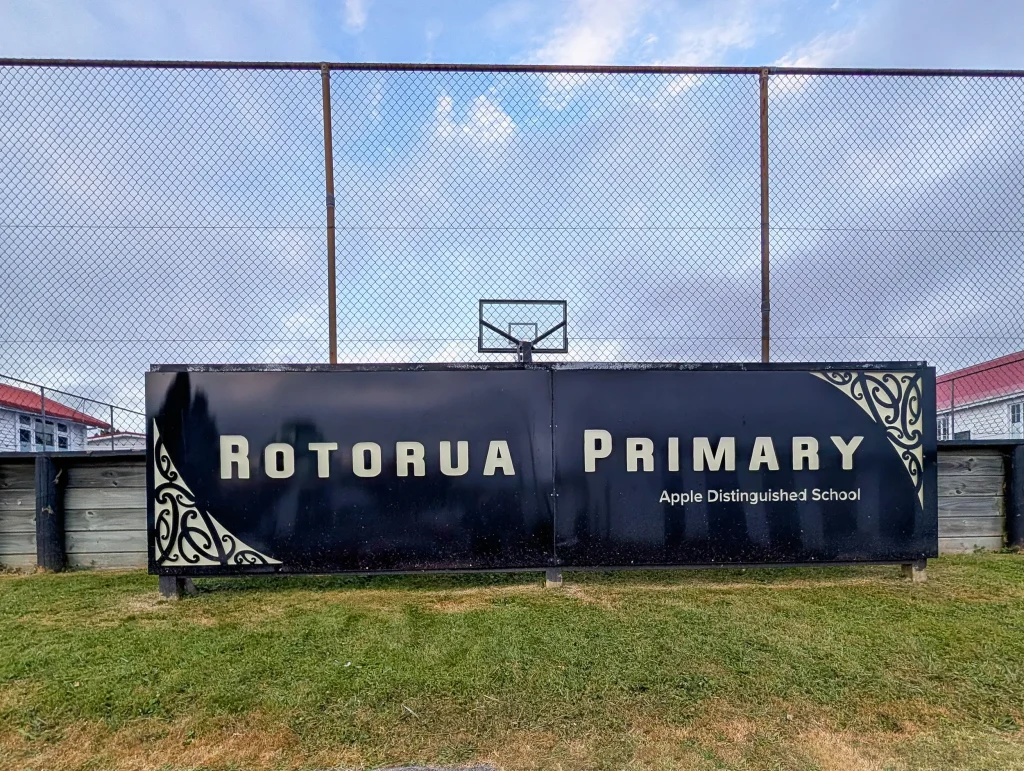
You hear te reo Māori—the Māori language—spoken in schools and in public spaces. Marae are part of the landscape. Cultural expression is visible, but more importantly, it is continuous. It does not feel preserved for visitors. It feels lived.
The school I photographed made this especially clear. It is situated on the ancestral land of Ngāti Whakaue, gifted by the chief Rotohiko Haupapa in 1886, who is widely regarded as a founder of Māori education in Rotorua.
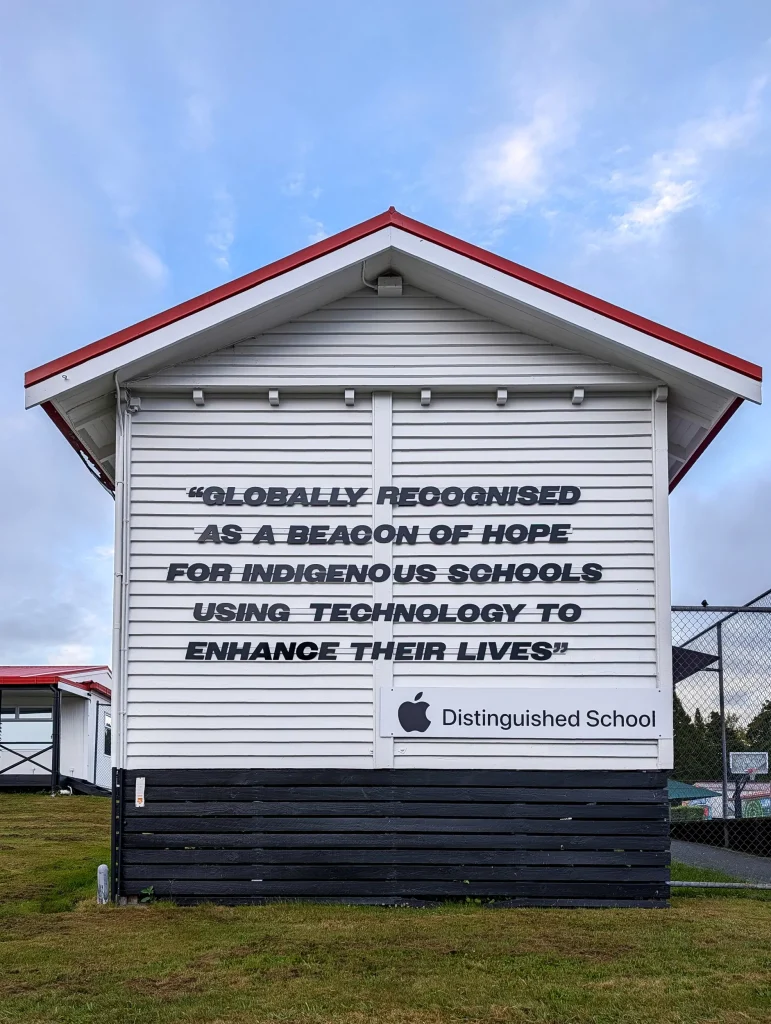
It is a dual-medium school, offering instruction in both English (Auraki) and Māori (Rūmaki). Local iwi history is a foundational part of the curriculum for all students. Yet, it is also recognized as an Apple Distinguished School, utilizing iPads and modern technology as core tools to support learning. In one striking example, students use tablets to design traditional moko kauae (sacred chin tattoos) onto their own photographs—a seamless intersection of cultural tradition and modern technology.
With about 350 students, the vast majority of whom are Māori, the school possesses a strong sense of community. It feels close-knit and deeply grounded. Its origins date back to a small raupō hut built in 1868 under the Native Schools Act. Over more than 150 years, it has evolved into a modern campus that perfectly balances traditional values, such as ako (teaching and learning) and kotahitanga (unity), with contemporary tools.
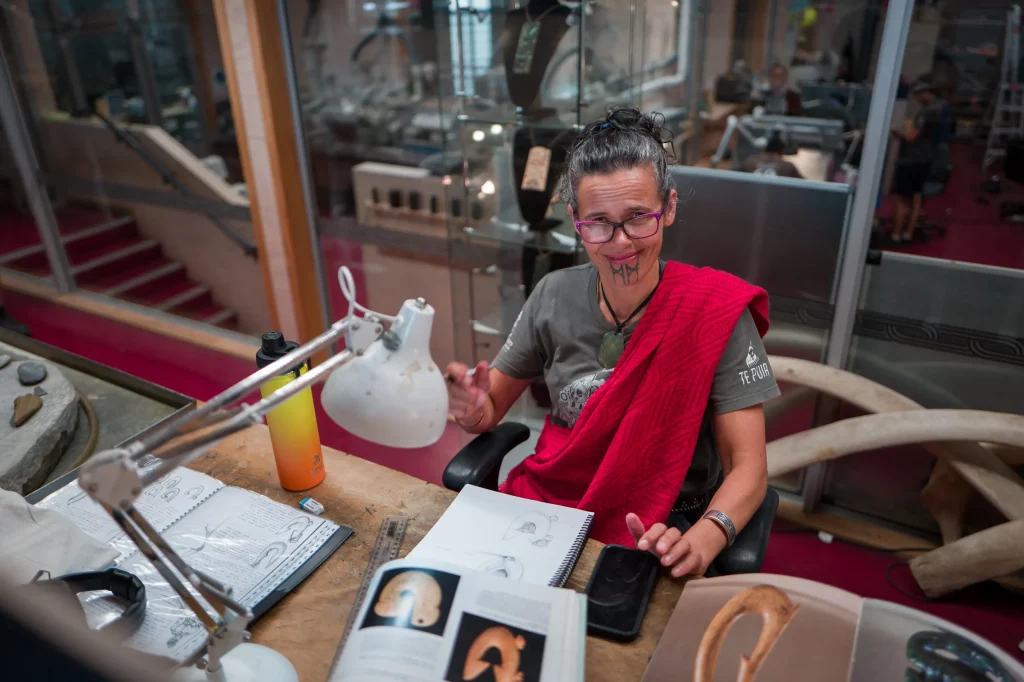
Cultural performances are, of course, part of Rotorua’s identity, though they are often presented in ways designed for visitors. While they provide a valuable window into Māori traditions, they exist alongside this deeper, everyday reality that is less staged and thoroughly embedded in daily life.
A Forest from Somewhere Else
Not everything in Rotorua is native.
The redwoods in Whakarewarewa Forest were planted in 1901 as part of an experimental forestry program, using species brought over from California, including the coast redwood (Sequoia sempervirens). More than a century later, they have become an integral part of the landscape.
They are not as massive or imposing as the ancient old-growth redwoods in California, but they are undeniably impressive. Walking among them with a camera, there is a slight sense of dislocation—trees that feel intimately familiar, but not quite in the place you expect to find them. It is a quiet reminder that landscapes evolve not only through natural forces, but also through decisions made long ago, whose effects persist in ways that become, over time, almost invisible.
A Landscape That Moves
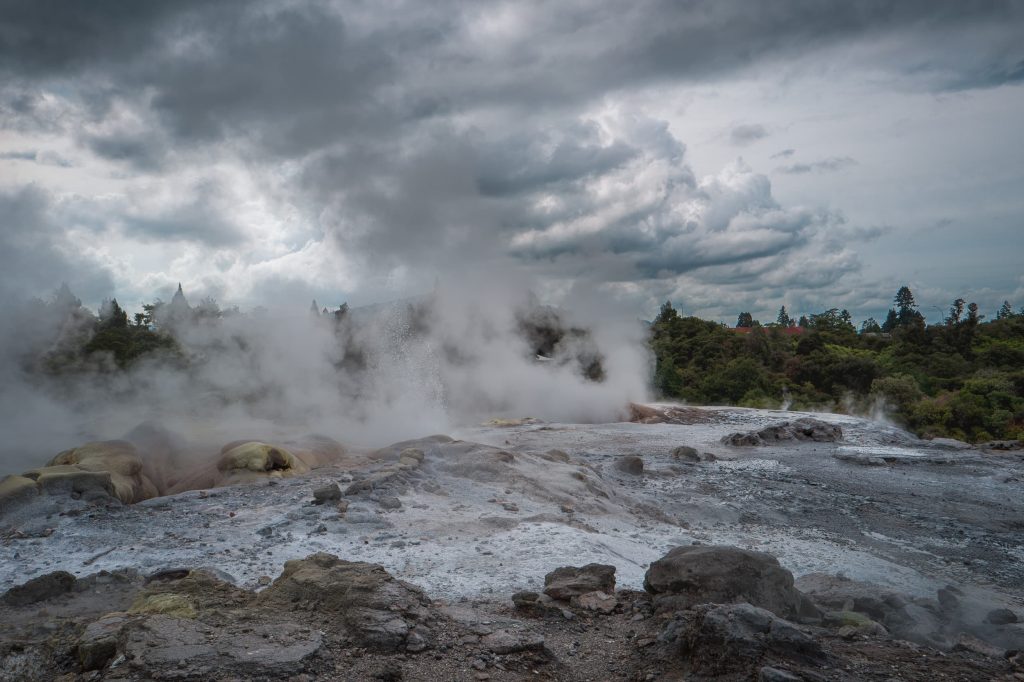
Rotorua sits in the Taupō Volcanic Zone, and the geothermal activity here is not theoretical—it is highly visible.
Steam rises from the ground in the most unexpected places. The air carries a constant, faint scent of sulfur. And at Pōhutu Geyser, the energy beneath the surface becomes unmistakable. It is the largest active geyser in the Southern Hemisphere, capable of eruptions that reach up to thirty meters (nearly 100 feet) into the air.
Unlike America’s Old Faithful, there is no predictable schedule. The geyser vents, pauses, and erupts according to its own internal rhythm. Compared with Iceland’s largely dormant Geysir, Pōhutu feels alive in a much more immediate way. It is less a spectacle, and more a geological process unfolding in real time.
Arrival and Departure
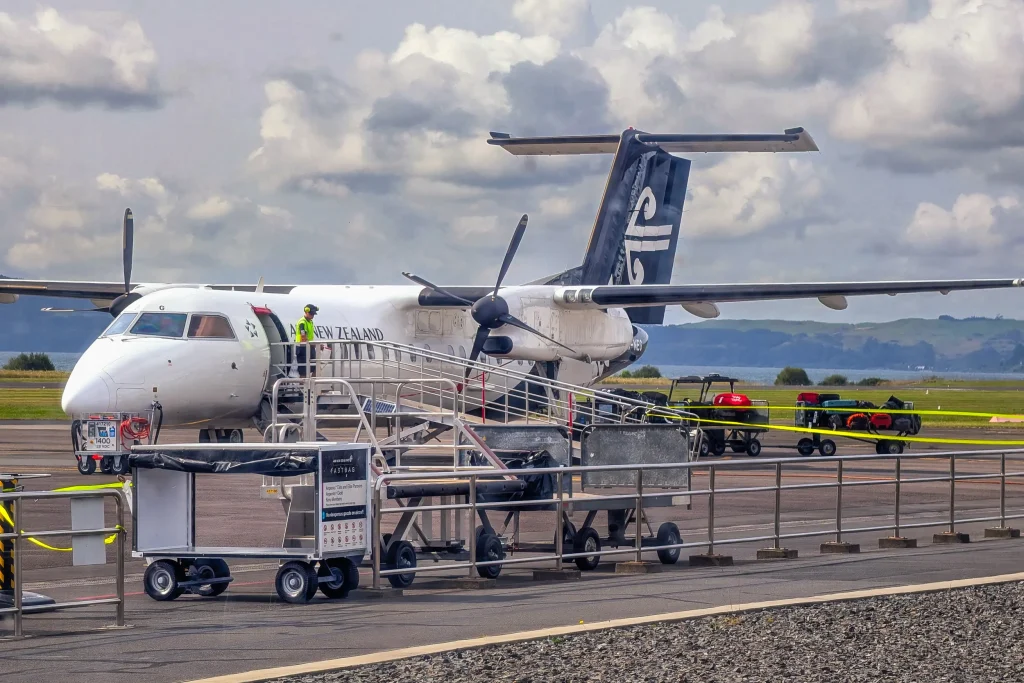
Rotorua Airport is small and efficient, located just a short drive from the center of town. Serving primarily domestic routes, it connects Rotorua to Auckland, Wellington, and Christchurch.
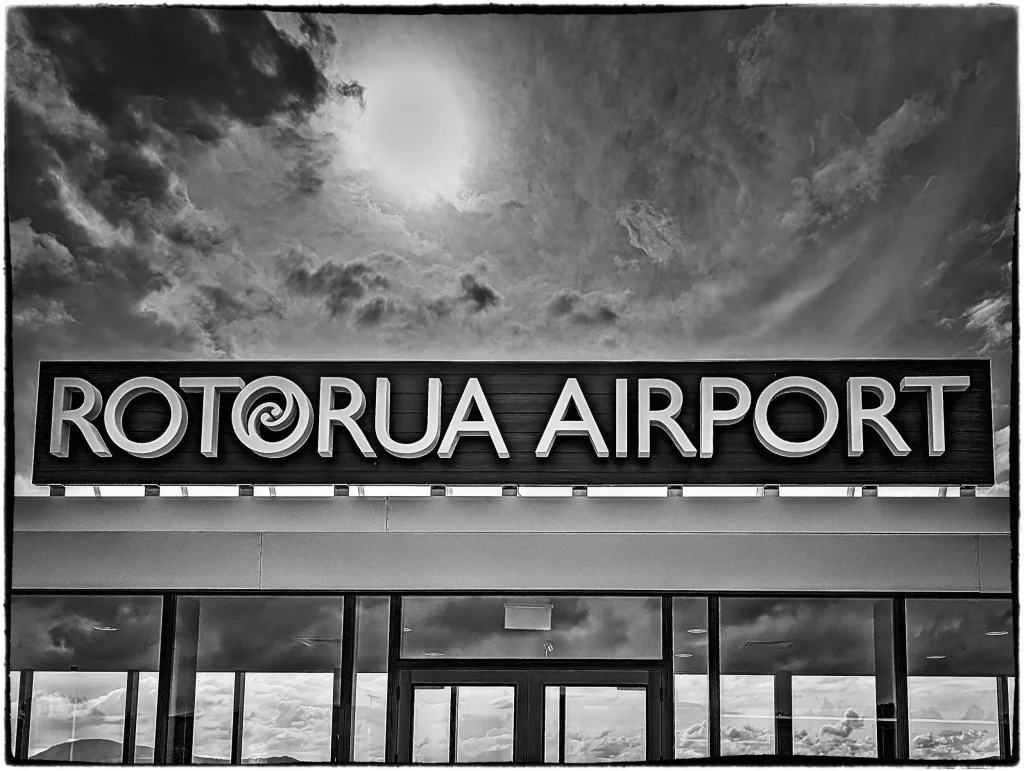
I have come to appreciate small airports, and Rotorua’s is a perfect example of why. There is very little friction—quick ingress, quick egress, and a lingering sense that travel here is still a manageable, human-scale endeavor.
A Different Kind of Place
Rotorua is not defined by a single landmark. It is defined by a combination of elements: a living indigenous culture, a landscape shaped by raw geothermal forces, and even a quiet forest transplanted from another continent.
What stays with me is not any one sight, but the distinct sense that this is a place where different layers—cultural, geological, and historical—are all visible at once. It feels less like a destination built for visitors, and more like a place that simply is.