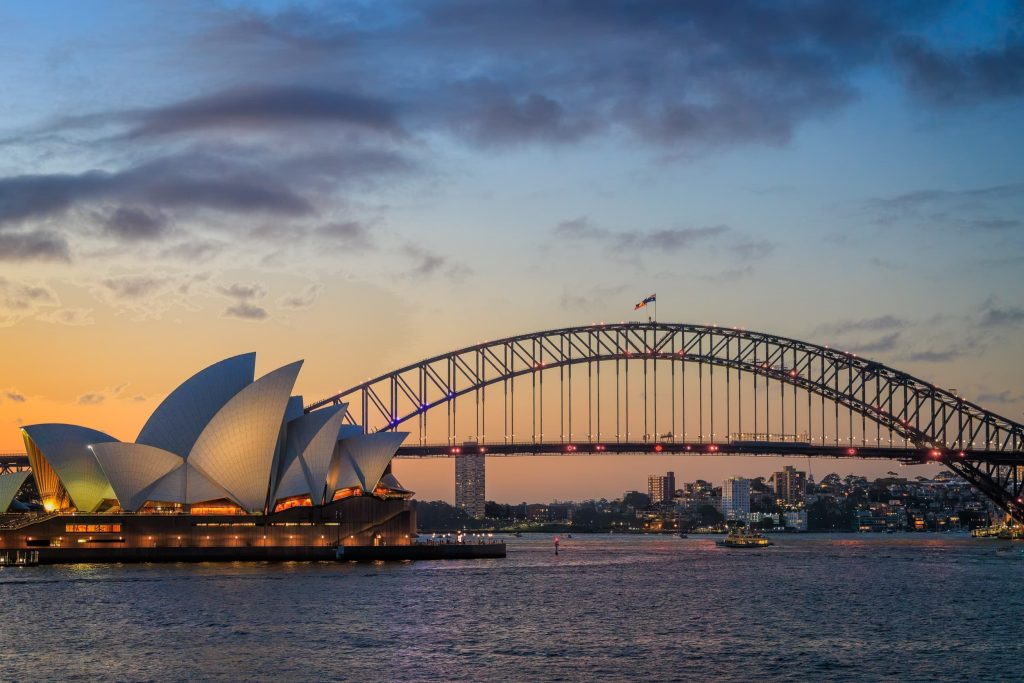
When I arrived in Sydney, the first thing I noticed was the harbour. Few cities sit on water as beautiful as this — ferries crossing the harbour, the white sails of the Opera House catching the light, and beaches only a short ride away.
The famous views were every bit as striking as I had imagined.
But what stayed with me most were the quieter moments: an outdoor cinema beside the harbour, a peaceful reading room filled with light, and a conversation with a man inviting Jews to put on tefillin near Bondi Beach. Behind the postcard beauty of a city, there are always deeper stories.
Sydney Harbour
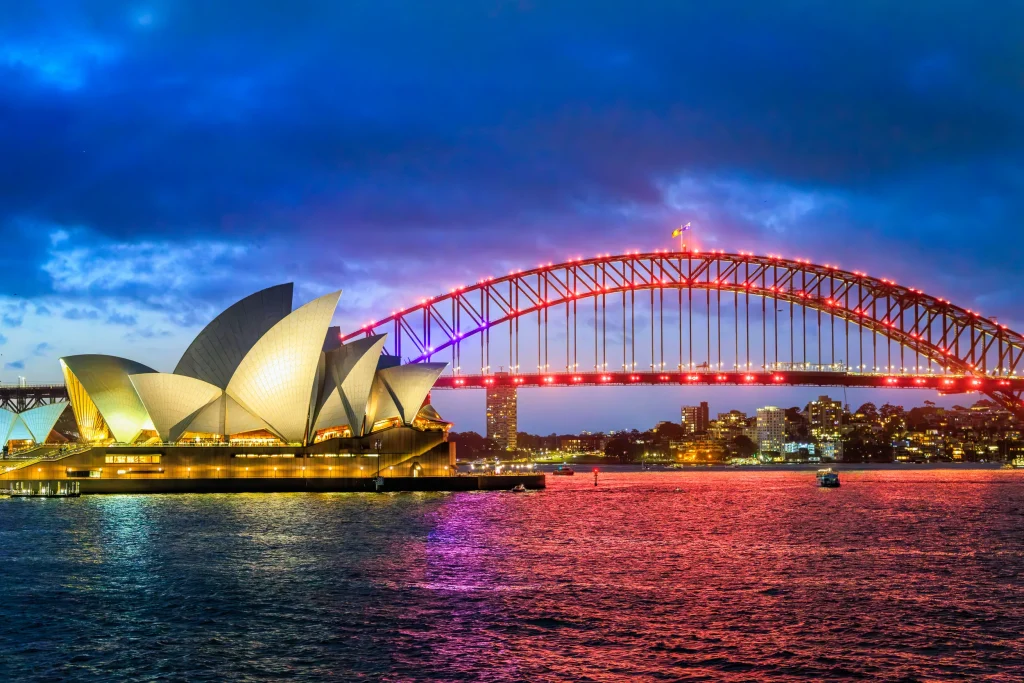
Sydney Harbour is the heart of the city. The water cuts deep into the land, creating coves and inlets that shape daily life. Ferries cross constantly, linking neighborhoods that might otherwise feel far apart.
From almost anywhere along the shoreline, the view feels expansive — boats moving across the water, the skyline rising behind them, and the Harbour Bridge framing the scene.
It is a city that seems to breathe with the rhythm of the harbour.
Sooner or later, almost every visitor finds themselves crossing that water.
The Opera House and Harbour Bridge
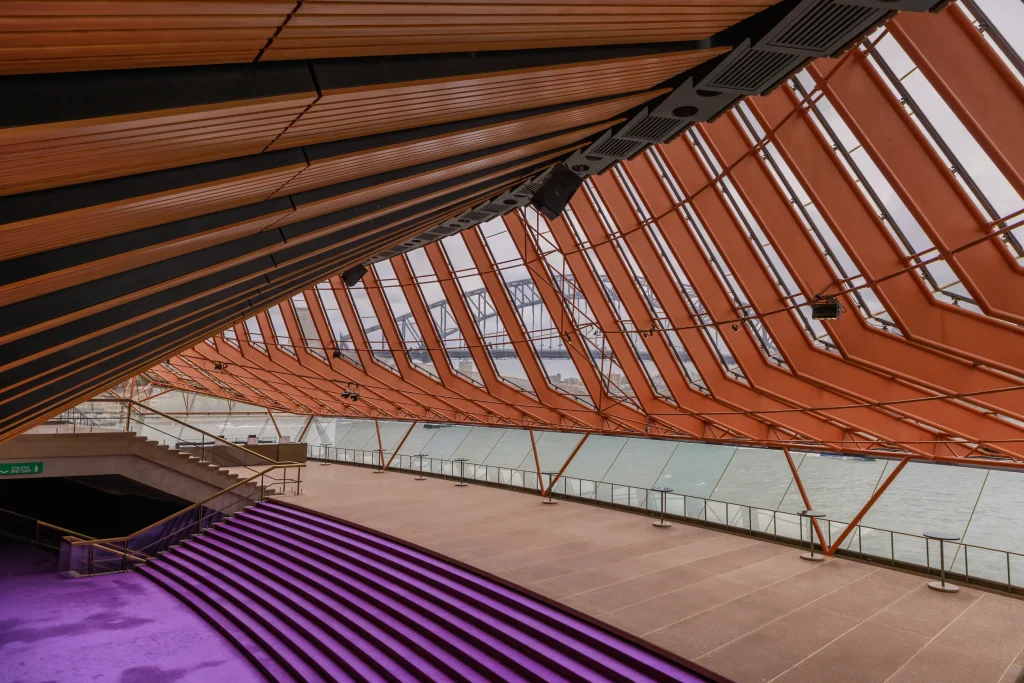
No image of Sydney is more recognizable than the white sails of the Sydney Opera House beside the great steel arch of the Harbour Bridge.
The Opera House began with an international design competition in 1957 won by Danish architect Jørn Utzon. Construction soon became controversial. Engineering challenges proved far greater than expected, costs rose dramatically, and Utzon eventually resigned before the building was finished.
When the Opera House finally opened in 1973, the project had taken fourteen years and cost far more than originally planned.
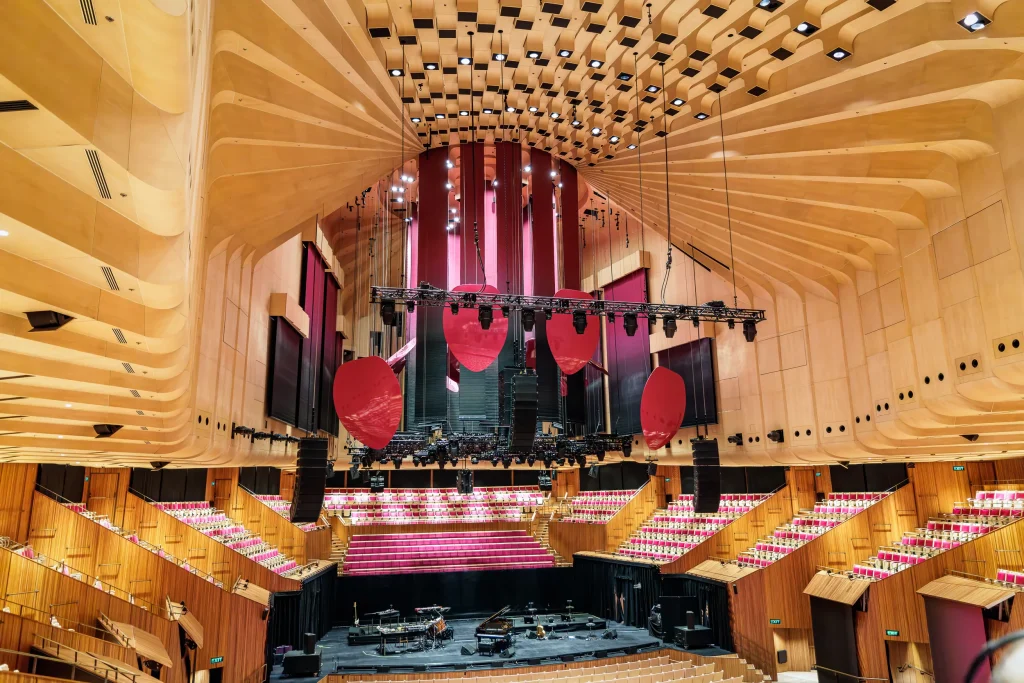
Yet the result is extraordinary. The structure’s soaring shells appear almost weightless against the harbour. Over time the Opera House has become not only Sydney’s most famous landmark but one of the most recognizable buildings in the world.
Inside, the spaces are dramatic yet welcoming, with large glass walls opening toward the harbour and the light beyond.
The Mitchell Library
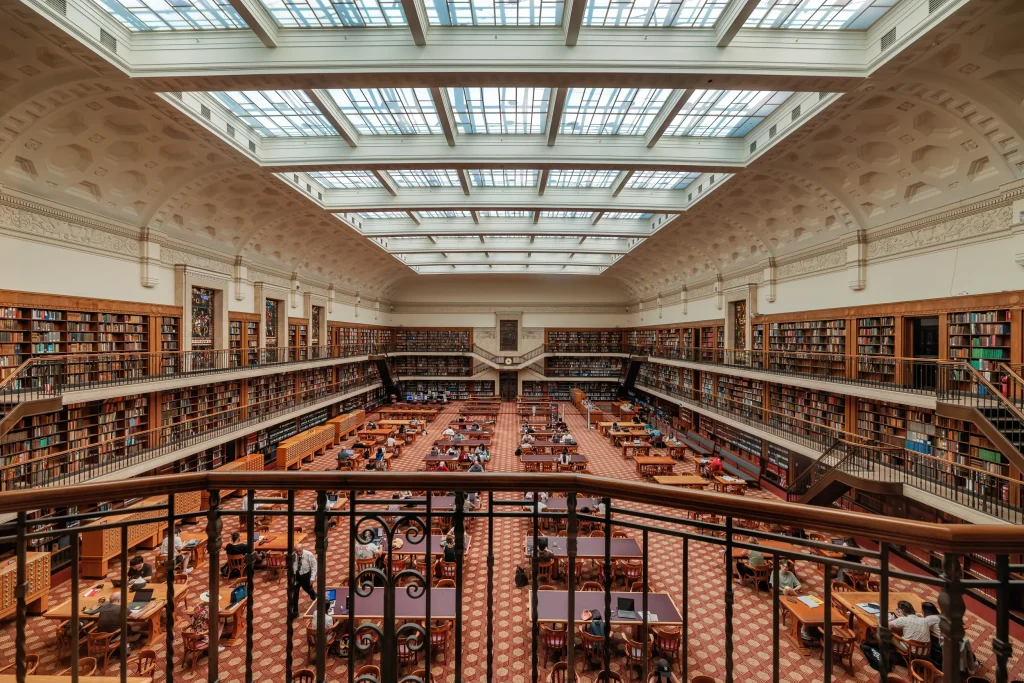
Less dramatic but equally memorable was the Mitchell Library Reading Room at the State Library of New South Wales.
Opened in 1910, the Mitchell Library houses one of Australia’s most important collections documenting the nation’s history and the wider Pacific.
The reading room itself is a beautiful skylit space designed for quiet study. Sunlight filters down from above onto long wooden tables where readers work in near silence.
In a city defined by water and movement, it felt like a place devoted to memory and reflection.
As someone who loves photographing libraries, I was glad to discover it.
Crossing the Harbour
One of the pleasures of Sydney is simply moving across the harbour by ferry.
From Circular Quay, ferries leave regularly for destinations around the harbour and beyond. Standing on the deck, you watch the skyline recede while the Opera House and Harbour Bridge shift into new angles of light.
It is both public transportation and one of the best sightseeing experiences in the city.
Manly
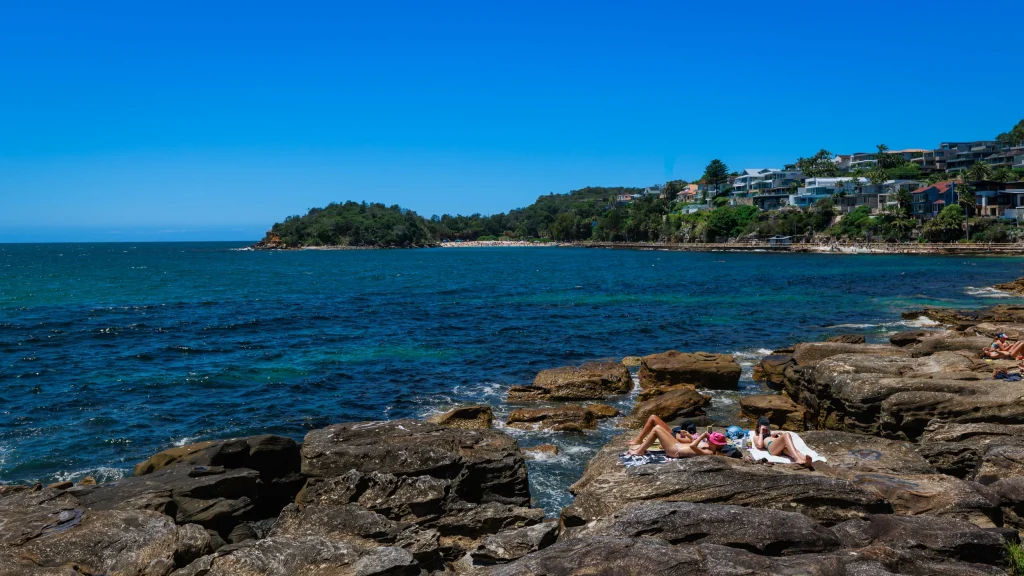
About 30 minutes by ferry from Circular Quay, across the harbour and out toward the Pacific, lies Manly.
From the ferry terminal it is only a short walk to wide beaches lined with cafés, small shops, and the easy rhythm of coastal life. The scene feels cheerful and relaxed — surfers heading toward the water, families walking along the promenade, and people lingering over coffee in the summer sun.
The ferry ride alone makes the trip worthwhile.
Bondi Beach
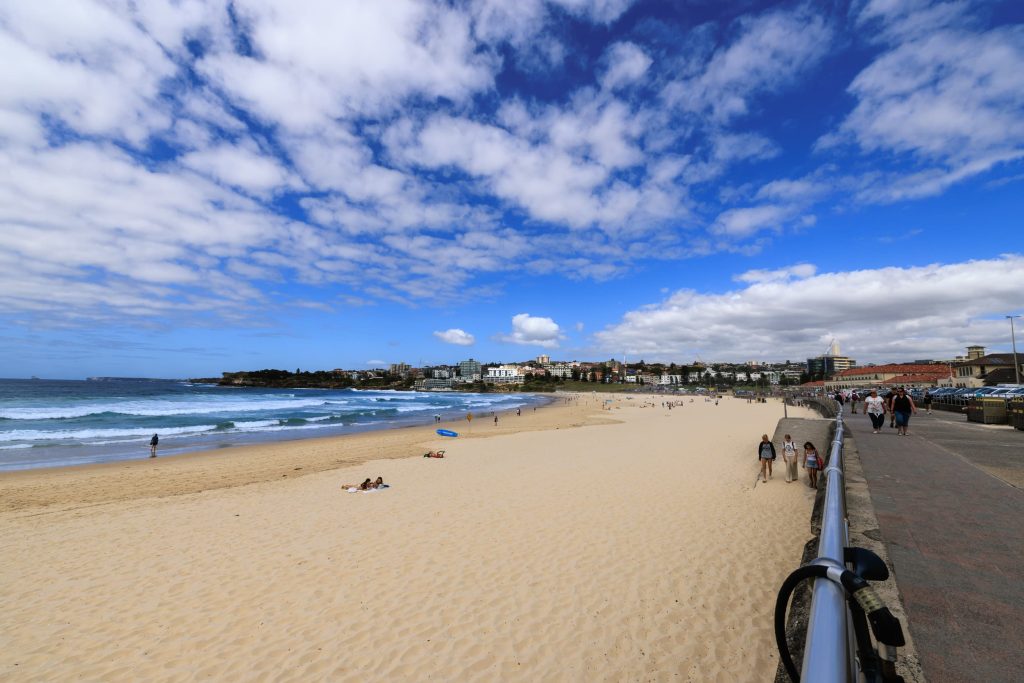
Another of Sydney’s iconic beaches is Bondi Beach, located roughly 20–30 minutes from central Sydney by car or public transportation.
Bondi has a different energy from Manly. The promenade is lively, the surf constant, and the beach filled with swimmers, surfers, and people simply enjoying the view of the Pacific.
Standing there, it is easy to see why the beach has become one of the most recognizable images of Australia.
A Conversation at Bondi
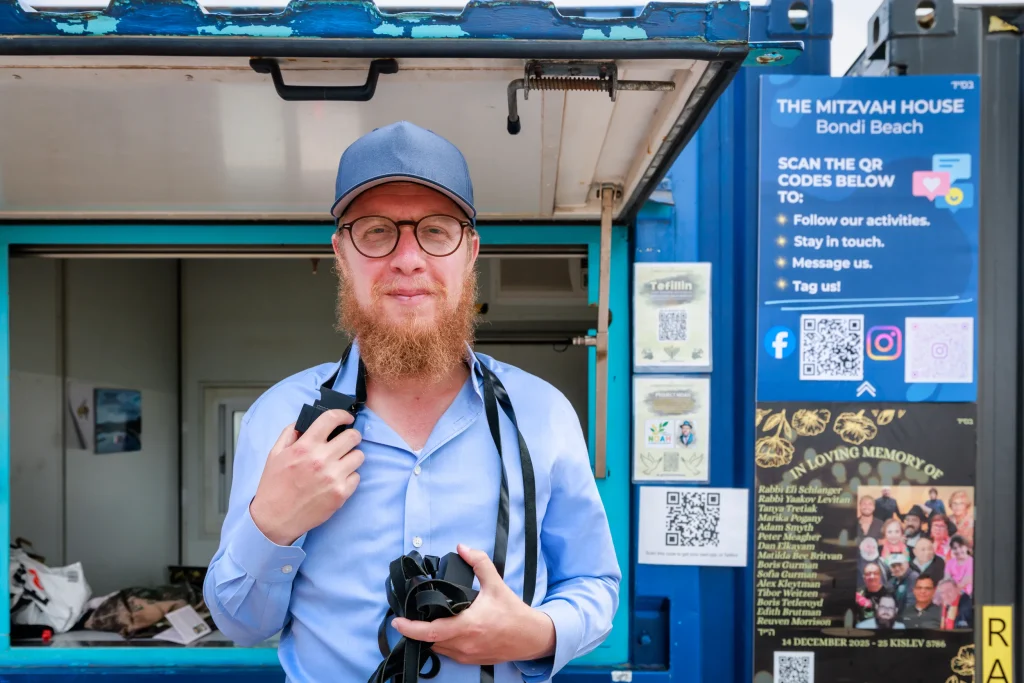
Not all memorable travel moments come from scenery.
While walking near Bondi Beach, I encountered Rabbi Noach Koncepolski from the local Chabad community inviting Jewish visitors to put on tefillin. He explained that he was there in memory of those killed and wounded in the December 14, 2025 terrorist attack near Bondi Beach, when two gunmen — a father and son — opened fire during a Hanukkah gathering, killing 15 people and injuring more than 40. His presence was a quiet sign of the resilience of Sydney’s Jewish community.
We spoke briefly. His presence was calm and understated — not political, simply an act of remembrance and continuity.
As the child of Holocaust survivors, I felt an immediate connection to what he was doing.
The Bridge
Not far from the beach is the small pedestrian bridge from which the attackers fired.
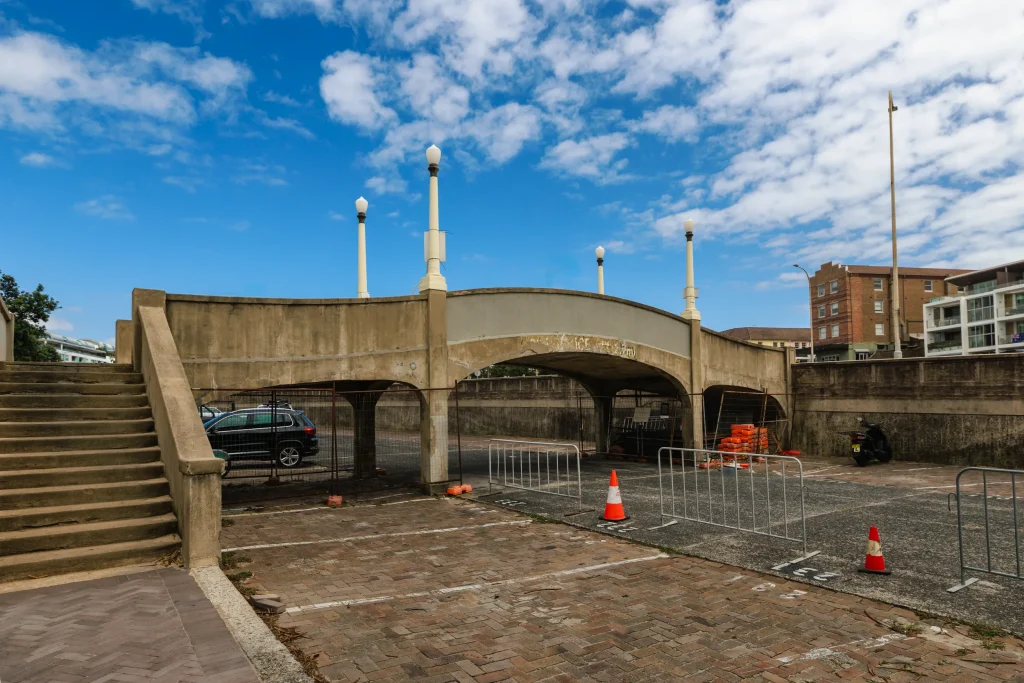
Seeing it in person was striking. On television the location had seemed larger and more distant. In reality the bridge is quite small.
I asked why no bullet holes were visible.
I was told they had been repaired.
My instinct might have been to leave them as a reminder.
Standing there, it was unsettling to imagine gunmen firing from such a small bridge into a peaceful crowd gathered near the beach. The ocean was calm, surfers drifting in the waves just beyond.
Travel often begins with beautiful views. Sometimes it also brings us face to face with the deeper stories of a place.
An Outdoor Cinema by the Harbour
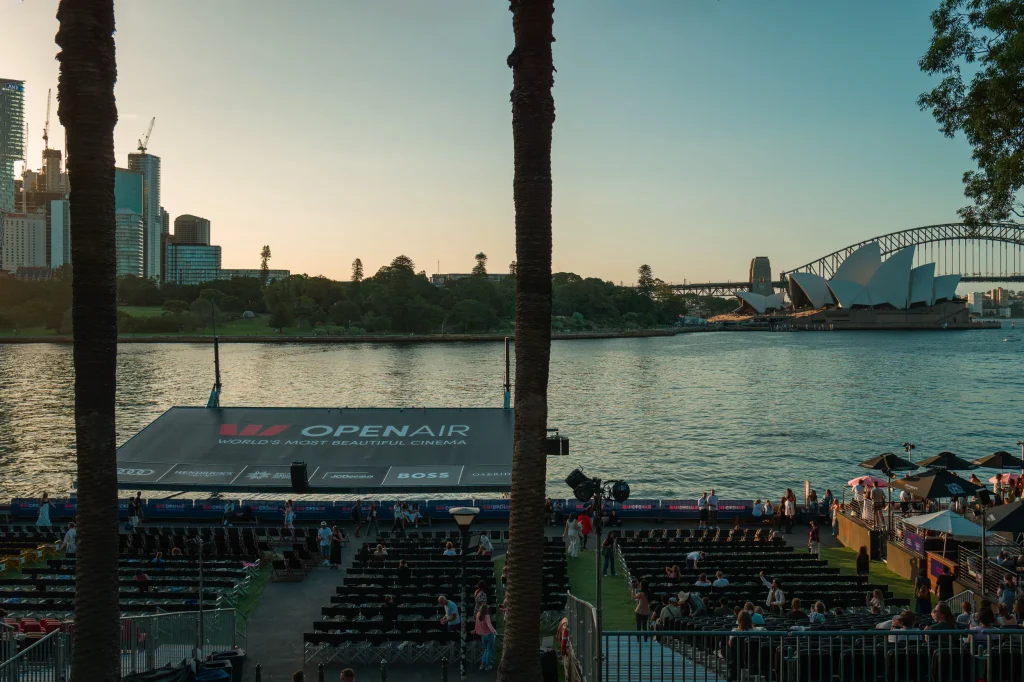
One evening I went to the open-air cinema at Mrs Macquarie’s Point, overlooking the harbour.
It is hard to imagine a more beautiful place for an outdoor film. As darkness falls, the skyline lights up, ferries continue crossing the water, and the Opera House and Harbour Bridge form part of the backdrop.
Watching a film there feels less like going to the movies and more like simply being present in Sydney for a few hours.
Australia Day
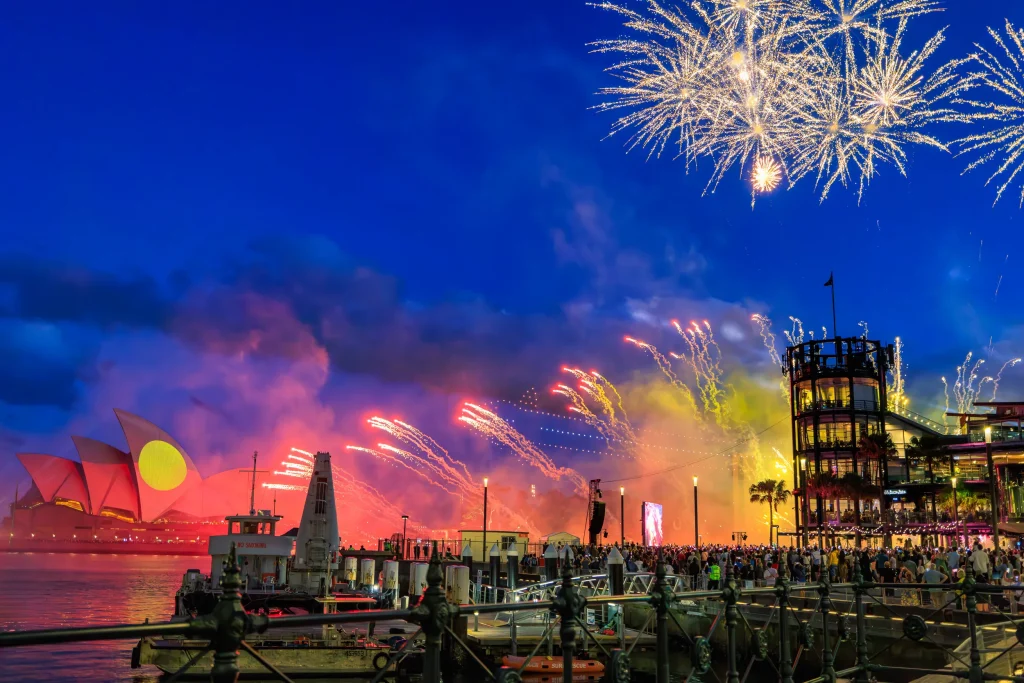
My visit also coincided with Australia Day, celebrated on January 26.
The date marks the arrival of the First Fleet in 1788, when British ships reached Sydney Cove and established the penal colony that became the foundation of modern Australia.
For many Australians it is a day of national pride and celebration. But the date is also troubling for many Indigenous Australians, because it marks the beginning of colonization and the profound disruption of Aboriginal societies that had lived on the continent for tens of thousands of years. For that reason the day is sometimes referred to as “Invasion Day,” and debates about whether the national holiday should be moved continue across the country.
That evening the harbour became the center of celebration. Fireworks and drones lit the sky above the water while large crowds gathered along the shoreline.
In a city already defined by spectacle, it was a vivid finale: a summer night, a patriotic celebration, and one of the world’s great harbours reflecting it all back.
Reflections
When I think back on Sydney now, I remember the light over the harbour first — the same harbour that first greeted me when I arrived.
The famous landmarks are as beautiful as promised. But what lingered most were the smaller moments: people gathering for an outdoor film beside the water, surfers at Bondi, a quiet reading room filled with sunlight, and a brief conversation with a man inviting strangers to put on tefillin on the edge of the Pacific.
Travel often begins with the images we expect to see.
It becomes meaningful in the moments we never expected at all.
Magnificent photography and very thoughtful commentary make for a wonderful combination.
Thank you Herb for reading and for your kind words.