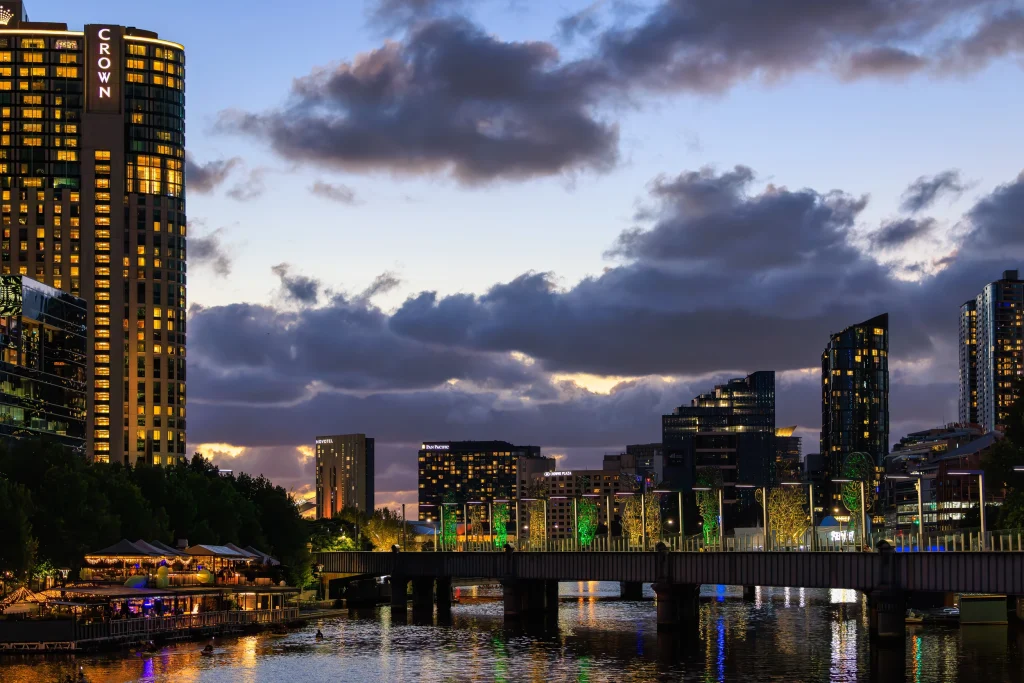
Melbourne is often described as Australia’s cultural capital, and after a few days there, I began to understand why. It’s a city that doesn’t demand that you look up at skyscrapers; it asks you to look in—into narrow alleys, quiet library nooks, and hidden basement cafés.
The city has a lively energy—cafés everywhere, crowds along the river, and during the early rounds of the Australian Open, the whole place feels like a celebration of sport. I stayed at The Langham Melbourne, just a short walk from the entrance to Melbourne Park, which made getting to the matches especially easy. At one point, I asked the hotel staff whether the Australian Open was their busiest time of year. The answer was telling: Australians love sports, and Melbourne hosts major sporting events throughout the year. That enthusiasm is hard to miss—it’s part of the city’s identity. And, at least from what I saw, Australians also have a healthy appreciation for beer.
Melbourne is currently in a statistical tug-of-war with Sydney for the title of Australia’s largest city. With roughly 5.3 million residents, the energy here is palpable. Together, these two cities account for nearly 40% of the nation’s population, which helps explain their outsized influence on the country’s economy and culture—particularly when compared with the nation’s capital, Canberra, which is much smaller and more administrative in character.
Melbourne is very different from Sydney. There is no single architectural icon like the Sydney Opera House or Harbour Bridge that defines the skyline. Instead, Melbourne’s character lives at street level.
Laneways and Street Art
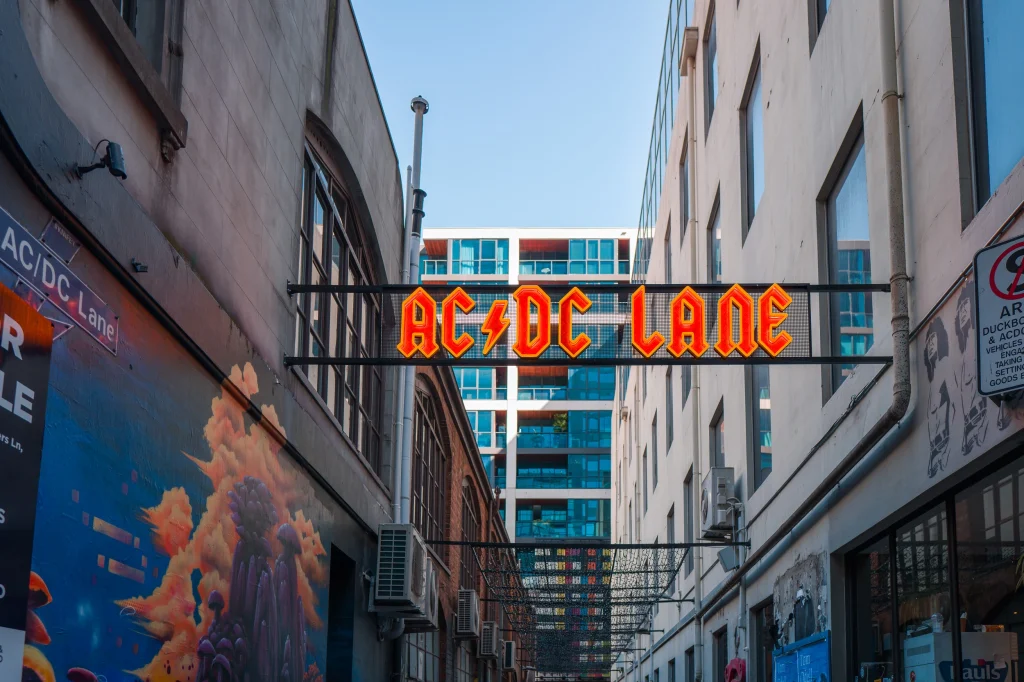
The famous laneways, such as the graffiti-drenched Hosier Lane and the music-themed AC/DC Lane, have become the city’s visual signature. They transform narrow alleys into open-air galleries, with murals and artwork that seem to change constantly.
Along the Yarra River
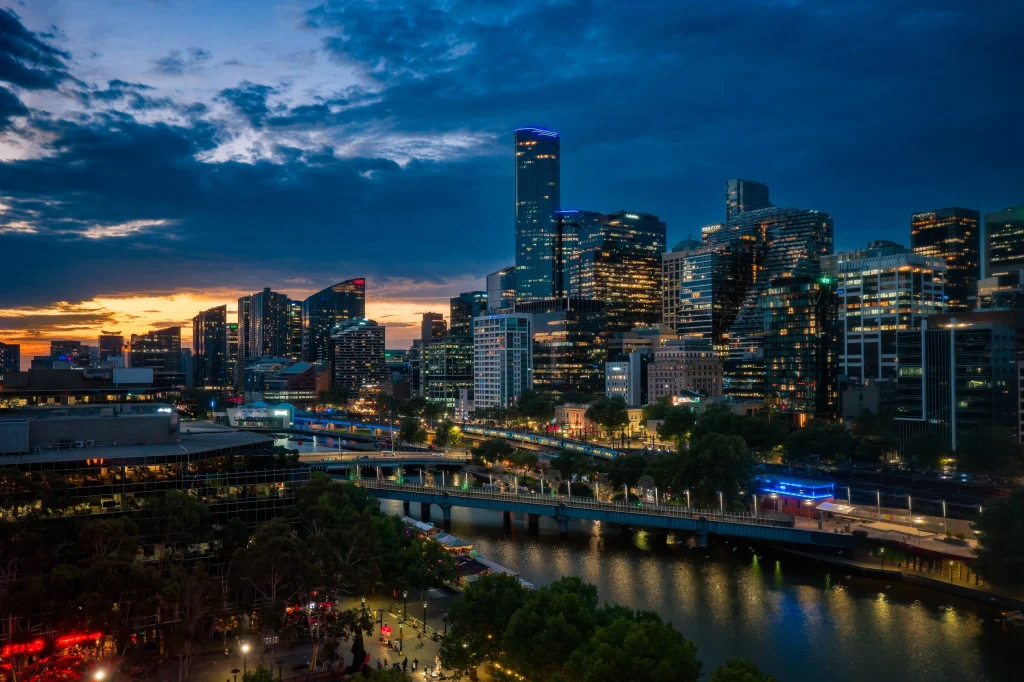
The Yarra River runs through the center of the city and is one of its defining features. Walking along the river—especially toward sunset—offers some of the most appealing views in Melbourne. I found myself returning in the evening, waiting to see what the light would do. Bridges, reflections, and the steady movement of people along the promenades create a sense of life and motion that feels distinctly urban yet relaxed.
The Australian Open
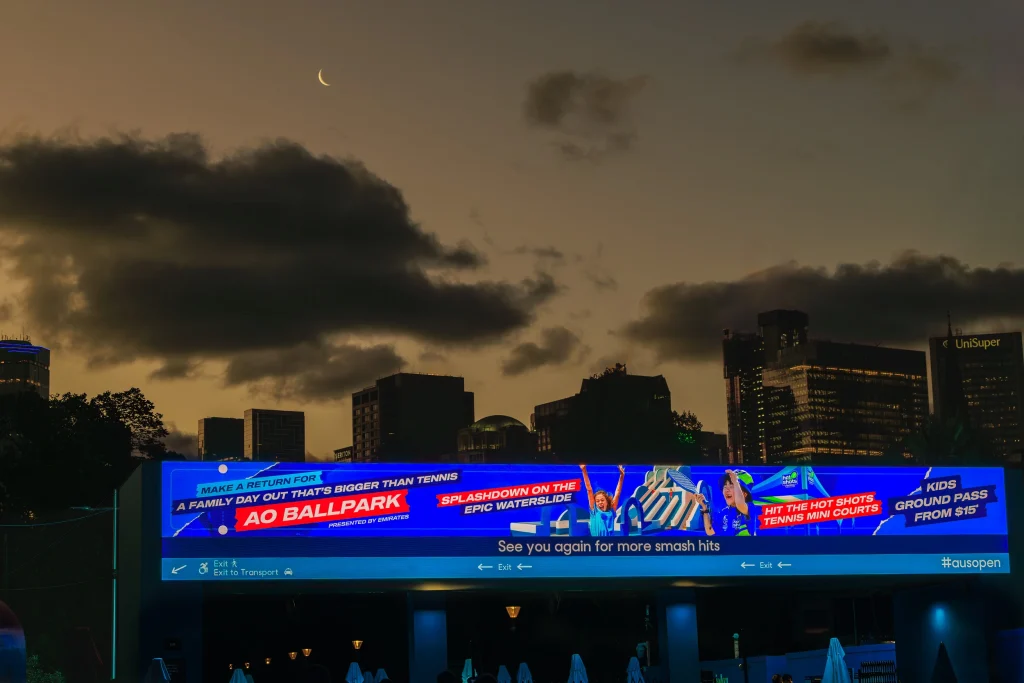
A short walk from the river brings you to Melbourne Park, home of the Australian Open. The venue is large, modern, and beautifully integrated into the city. It feels surprisingly central—more like a city park than a remote sports complex.
I attended the early rounds of the tournament, and there was a party atmosphere throughout Melbourne Park. Australians know how to have a good time.
Rod Laver Arena is immense. Although the tennis was excellent, I did not feel the same sense of intimacy that I felt at Roland-Garros in Paris. In some ways, Rod Laver Arena seems built more for television than for the spectator in the stands.
Even so, Melbourne does not merely host major events—it embraces them.
State Library Victoria
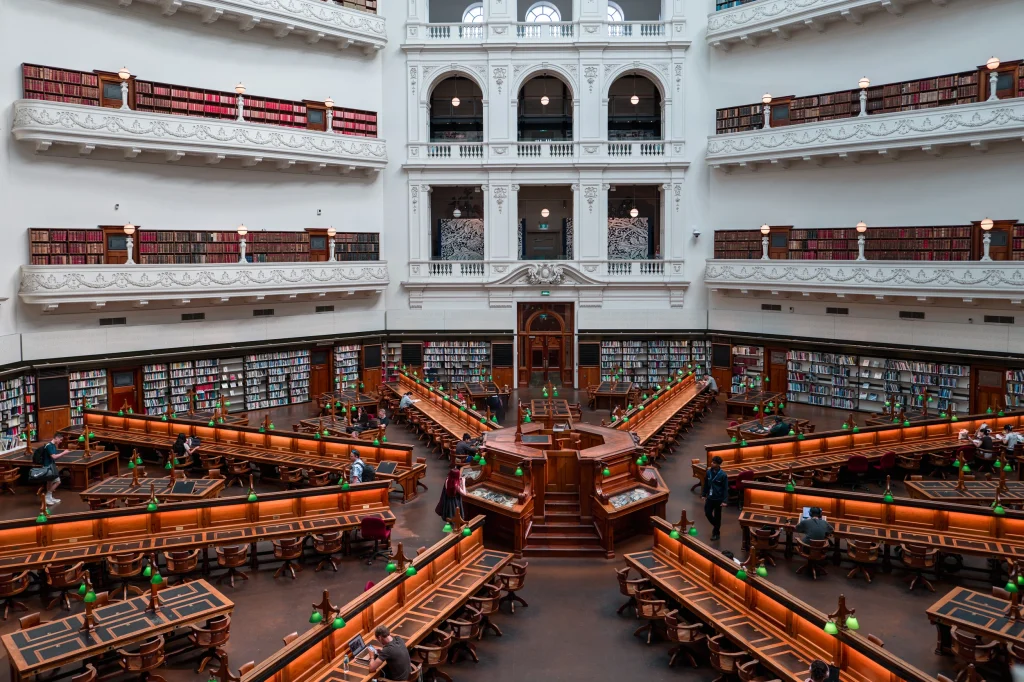
In the heart of the city, the State Library Victoria provides a very different experience. It is quiet, orderly, and architecturally impressive. The La Trobe Reading Room, with its massive dome and rows of heritage desks, offers a striking contrast to the energy of the city outside.
A Different Kind of City
Melbourne may not have a single defining landmark, but it has something else: personality. It is a city of activity rather than monuments, of experiences rather than icons. Walking along the Yarra, exploring the laneways, attending the Australian Open, and visiting the State Library together create a portrait of a city that is lively, creative, and entirely at ease with itself.