Auckland: Between Two Harbours

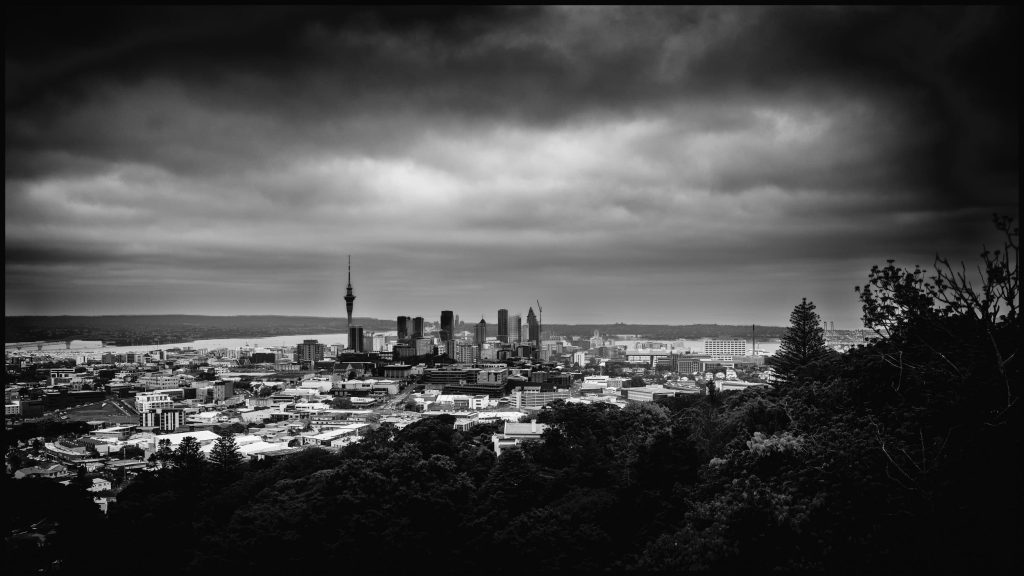
Auckland sits on a narrow isthmus, caught between two bodies of water.

To the north, the Waitematā Harbour opens to the Pacific Ocean. To the south, the Manukau Harbour connects to the Tasman Sea. This geography defines the city. It is New Zealand’s economic center and its primary gateway to the world, home to roughly a third of the country’s population.

I had been told that Auckland was a city to pass through quickly. That proved to be wrong. It simply requires a bit of patience. It is a place that reveals itself gradually, rather than all at once.

Read more

Milford Sound: Power in the Mist

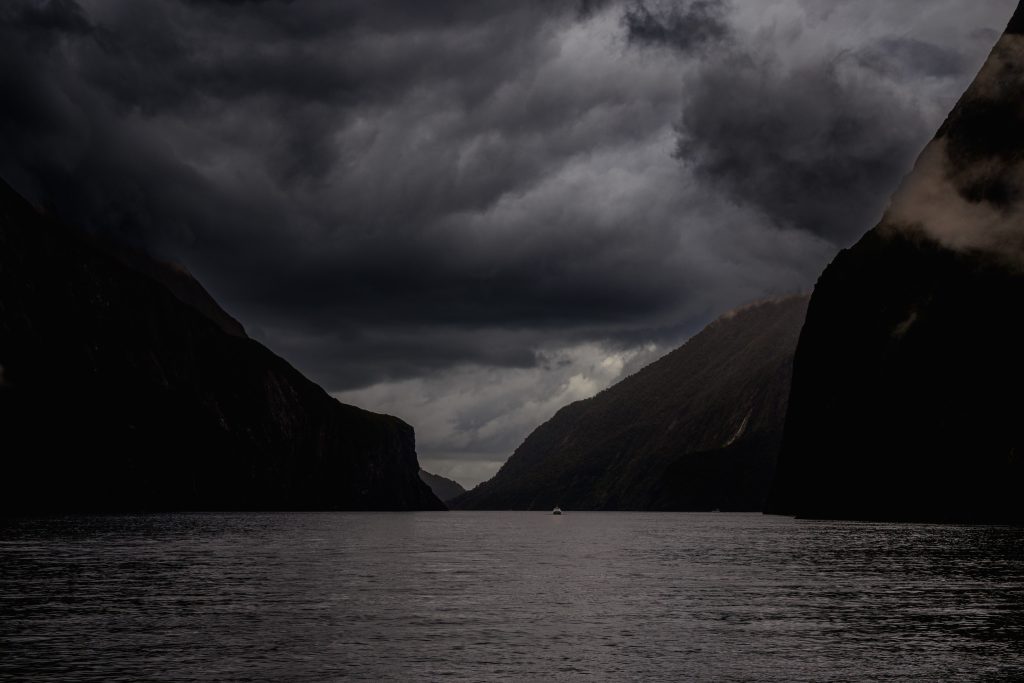
Milford Sound sits deep within Fiordland National Park on the southwest coast of the South Island.

Reaching it requires a long drive through mountain passes and dense forest. The journey alone tells you that you are going somewhere distinct.

Somewhere remote.

I arrived under a low, heavy sky. The mist never fully lifted, and in this place, that felt entirely appropriate. Clouds moved slowly across the peaks, revealing a jagged edge one moment and concealing it the next. It gave the landscape a shifting, unsettled quality that a camera can only partially capture.

Despite the name, it isn’t actually a sound.

Read more

Rotorua: Culture at the Surface

Rotorua is different from other places in New Zealand. The difference is not subtle.

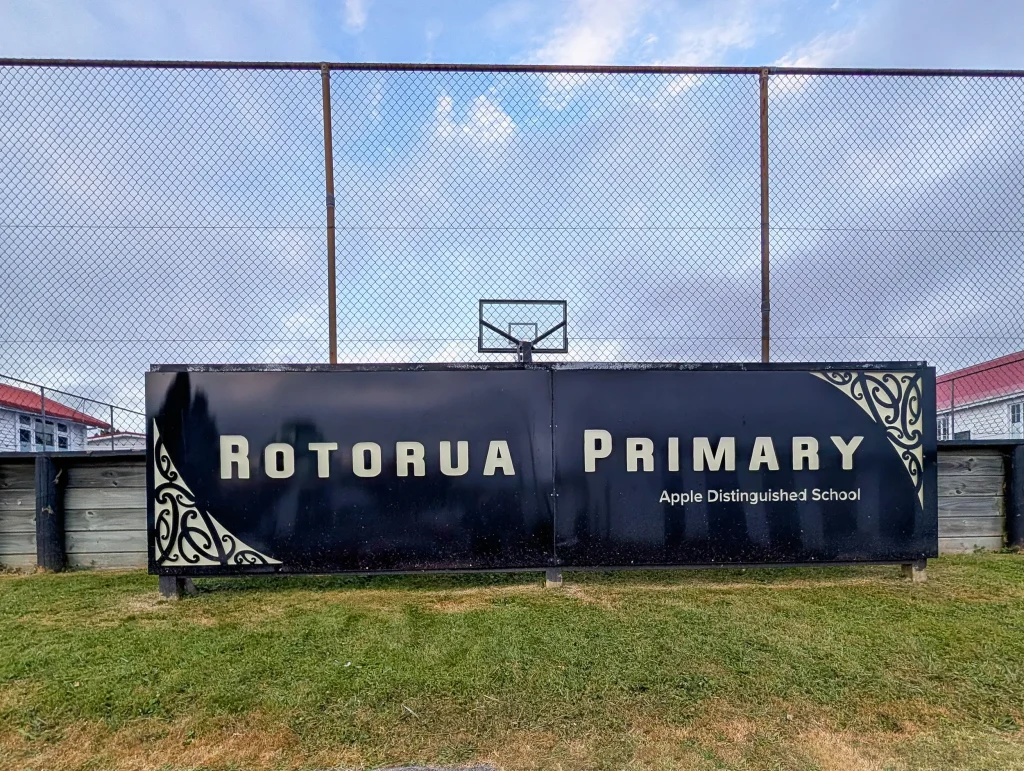
It has one of the largest and most visible Māori populations in the country. Over 40% of Rotorua’s residents are Māori—well above the national average—and the region sits within the traditional rohe of Te Arawa iwi. That presence is not confined to cultural sites or performances. It is part of everyday life.

You hear te reo Māori—the Māori language—spoken in schools and in public spaces. Marae are part of the landscape. Cultural expression is visible, but more importantly, it is continuous. It does not feel preserved for visitors. It feels lived.

Read more

Aoraki / Mount Cook — New Zealand’s Highest Peak

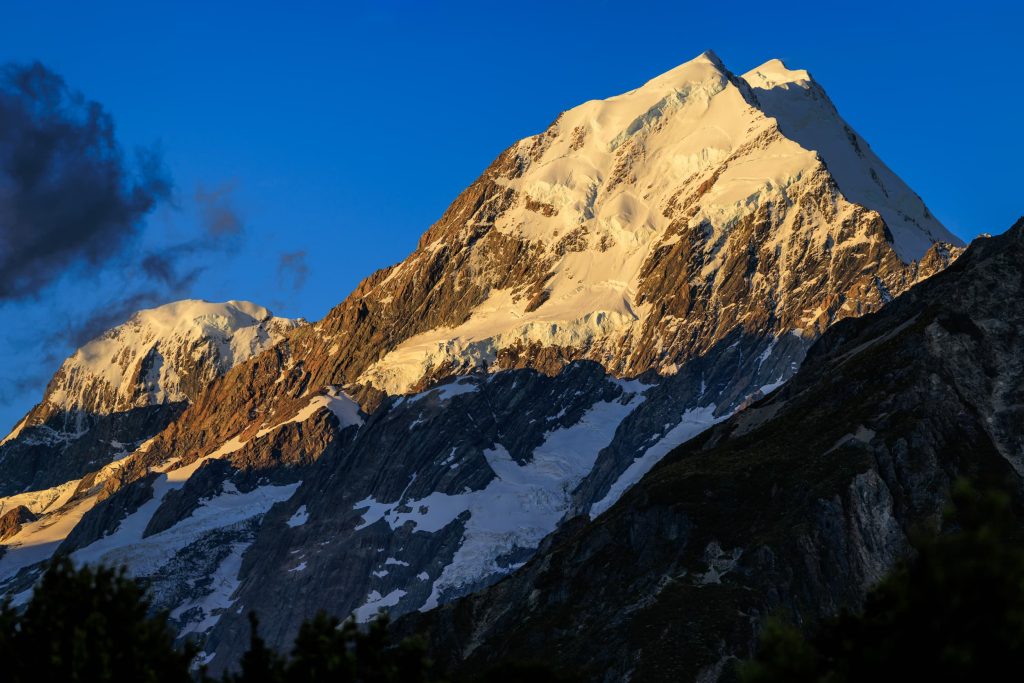
It’s one thing to read about New Zealand’s tallest mountain; it’s quite another to see it suddenly rise above the horizon with such sharp authority.

The Cloud Piercer

The Māori name for the mountain, Aoraki, is often translated as “cloud piercer.” According to Ngāi Tahu tradition, Aoraki was an ancestor exploring the seas with his brothers when their canoe, Te Waka o Aoraki, capsized. As they climbed onto the overturned hull, the cold south wind froze them in place, turning them into the great stone peaks of the Southern Alps. Today Aoraki remains the highest of these brothers and holds deep spiritual and cultural significance.

Read more

Heaven on the Edge of a Lake

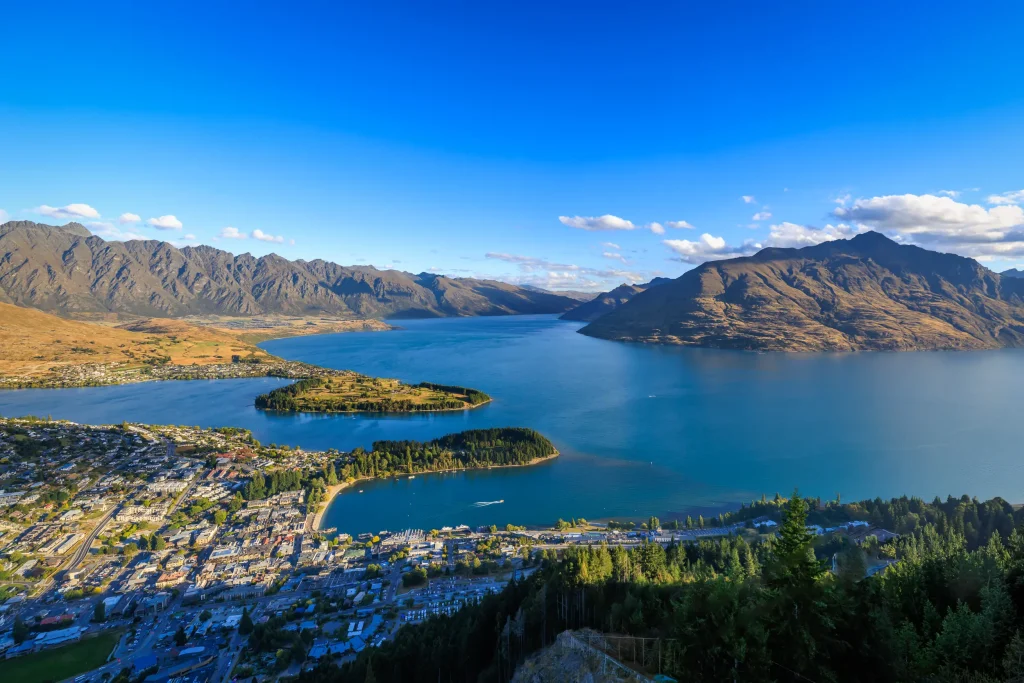
Before this trip, I had never heard of Queenstown.

That almost feels embarrassing to admit now.

The first time I saw it — the mountains rising sharply from Lake Wakatipu, the impossible green of the landscape, the clarity of the air — my jaw literally dropped. Not metaphorically. I stood still.

Some places impress you.

Some rearrange you.

Queenstown rearranged me.

Read more

Crossing Half the Planet

The Longest Journey of My Life

For most of my life, Australia and New Zealand felt almost theoretical — names at the bottom of the map, separated from my daily reality by oceans and time zones. I had traveled far before, but never that far. The idea of seventeen hours in the air — followed by another eighteen on the return — felt less like travel and more like a test of endurance.

Distance has a psychological weight. It suggests effort. Risk. Fatigue.

And yet, this year, I decided to go.

I flew from San Francisco to Singapore — roughly seventeen hours suspended above the Pacific. I spent a couple of days exploring Singapore, then continued on to Melbourne for the Australian Open. From there I traveled through Australia and New Zealand, moving across landscapes that seemed improbably wide, watching light linger late into the evening as if the day itself resisted ending.

On the way home, I flew from Auckland to Singapore, paused briefly at Changi Airport, and then boarded Singapore Airlines Flight 24 to JFK — more than eighteen hours nonstop, one of the longest commercial flights in the world.

By the time I landed in New York, I had crossed half the planet.

Something in me had shifted.

The world no longer felt impossibly large. It felt connected. Reachable.

More surprising still: I realized I was comfortable with ultra-long haul travel. What once seemed daunting had become manageable — even calm.

Read more